



Slathering on a vitamin C serum and then skipping sunscreen is a little like locking your front door but leaving every window open. The two steps are not interchangeable, and in summer especially, vitamin C and SPF are at their best when you use them together. One brightens and defends at the cellular level. The other physically shields your skin from the sun.
Use both, in the right order, and you give your complexion a real one-two punch against dullness, dark spots, and premature aging. If you have ever wondered whether you truly need both, or which one goes on first, this guide breaks down exactly how this summer duo works and how to build it into a routine that takes less than a minute each morning.
Can You Use Vitamin C and SPF Together?
Yes. Vitamin C and SPF are made to work together, not compete. Apply your vitamin C serum first, let it absorb, then layer broad-spectrum sunscreen as your final morning step. Vitamin C neutralizes free radicals created by UV exposure, while SPF blocks those rays, giving skin two complementary layers of daytime defense.
Think of it as defense in depth. No sunscreen filters out 100 percent of UV, so a small amount of oxidative stress always reaches your skin. That is where vitamin C steps in, mopping up the free radicals that slip past. Meanwhile, SPF handles the job vitamin C simply cannot do: stopping those rays from reaching your skin in the first place. Together, they cover each other’s blind spots.
How Vitamin C and SPF Work Together
To understand why this pairing is so effective, it helps to look at what each ingredient actually does. Vitamin C and SPF solve different problems, which is exactly why they work so well side by side.
What Vitamin C Does for Summer Skin
Vitamin C is one of the most studied antioxidants in skincare, and for good reason. As an antioxidant, it helps neutralize free radicals, the unstable molecules generated by UV light and pollution that contribute to visible aging and uneven tone. Beyond that protective role, vitamin C is a brightening workhorse. It helps fade the look of dark spots, supports a more even-looking complexion, and lends skin that lit-from-within glow that feels especially welcome in summer.
It is worth being clear about one thing: vitamin C does not block UV rays. It works alongside sunscreen by addressing the oxidative damage that gets through, not by replacing your sun protection. For a deeper look at the science, our breakdown of how vitamin C works in your skincare routine covers the benefits, the different forms, and how to use it.
What SPF Does That Vitamin C Can’t
Sunscreen does the heavy lifting no serum can. A broad-spectrum SPF absorbs or reflects UVA and UVB rays before they penetrate the skin, helping prevent sunburn, photoaging, and the new dark spots that summer sun loves to create. UVA rays drive long-term aging and reach skin even on cloudy days and through windows, while UVB rays cause burning. Broad-spectrum protection covers both.
No amount of vitamin C can substitute for this barrier. Antioxidants reduce damage; sunscreen prevents it. That distinction is the entire reason vitamin C and SPF belong in the same routine rather than competing for the same slot.
Why Summer Makes This Duo Non-Negotiable
In summer, the case for pairing vitamin C and SPF gets even stronger. You should wear SPF every single day of the year, full stop, but summer turns up the pressure. The sun sits higher in the sky, daylight hours stretch longer, and the UV index climbs, which means more potential damage in less time. Add in beach days, patio dinners, and long walks, and your skin is simply exposed more.
There is also a lesser-known reason the duo matters in warm months. Vitamin C is sensitive to light, and when exposed to UV it can degrade. That is part of why it is so often recommended to wear SPF during the day after applying it. In other words, sunscreen does not just protect your skin. It helps protect the performance of the serum you just applied. Skip the SPF and you may be undermining both.
Summer is also the peak season for hyperpigmentation. Heat and sun exposure can trigger melanin production, which shows up as stubborn dark spots and uneven tone. The vitamin C and SPF combination defends against new spots while helping to visibly brighten the ones you already have. Protection and correction, working in tandem.
How to Layer Vitamin C and SPF the Right Way
Which Goes On First, Vitamin C or SPF?
Vitamin C first, sunscreen last. The rule of thumb for any morning routine is to layer from thinnest to thickest, finishing with sun protection. Here is a simple sequence:
- Cleanse to start with a fresh canvas.
- Tone, if toning is part of your routine.
- Apply your vitamin C serum. A pea-sized amount covers the face, neck, and décolletage.
- Let it absorb for about a minute so it can sink undisturbed.
- Moisturize if your skin needs it, especially with a lightweight serum.
- Finish with broad-spectrum SPF as your last skincare step, before makeup.
That is the whole routine, and once it is muscle memory it takes under sixty seconds.
|
|
Mistakes to Avoid
Even the best vitamin C and SPF routine can fall short with a few common slip-ups:
- Skipping SPF after vitamin C. This is the big one. Vitamin C without sunscreen leaves your skin, and your serum, exposed.
- Under-applying sunscreen. Most people use far less than they need. Aim for about a quarter teaspoon for the face, and reapply every two hours of sun exposure.
- Piling on too many actives. In summer heat, keep mornings simple. Vitamin C, moisturizer, and SPF are enough.
- Storing vitamin C in heat or light. Keep your serum in a cool, dark spot to help preserve its potency.
Choosing a Summer-Friendly Vitamin C Serum
Not every vitamin C serum is built for summer. In warmer months, you want a formula that feels weightless, layers cleanly under sunscreen, and pairs antioxidant benefits with hydration so skin stays comfortable in the heat. Look for a stable form of vitamin C, a hydrating partner like hyaluronic acid, and a lightweight texture that absorbs quickly.
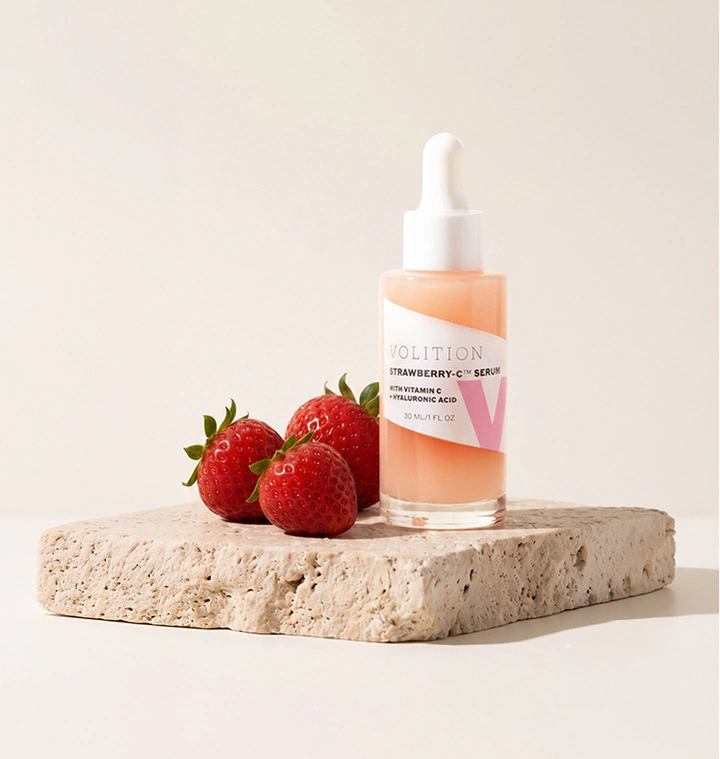
The Strawberry-C™ Brightening Serum checks those boxes. It pairs strawberry-derived vitamin C with hyaluronic acid to visibly brighten, hydrate, and plump the look of skin, plus kakadu plum, a fruit naturally rich in vitamin C, to boost luminosity and soothe. It is lightweight and fast-absorbing, so it layers under sunscreen without pilling. The clean formula is vegan, cruelty-free, gluten-free, and silicone-free, and it is suitable for all skin types, with a 4.7-star average from hundreds of reviews.
One honest caveat: vitamin C suits most people, but if your skin runs very sensitive or reactive, introduce it gradually and patch test first. Even gentle, well-formulated actives can occasionally cause irritation, so ease in rather than going all in on day one.
|
|
FAQ Section
Q: Should I apply vitamin C or sunscreen first?
A: Vitamin C goes first. Apply your serum to clean skin, let it absorb for about a minute, then layer sunscreen as your final morning step. Treatment products go before protective ones.
Q: Can vitamin C replace sunscreen?
A: No. Vitamin C is an antioxidant that helps reduce free-radical damage, but it does not block UV rays. It works alongside SPF, not in place of it, so you need both for daytime protection.
Q: Is it okay to use vitamin C every day in summer?
A: Yes. Most people can use vitamin C daily, morning and night. When you use it in the morning, always follow with broad-spectrum SPF to protect your skin and help preserve the serum’s benefits.
Q: Does vitamin C make my skin more sensitive to the sun?
A: Vitamin C is an antioxidant, not an exfoliating acid, so it does not increase sun sensitivity the way some actives can. Even so, daily SPF is essential, and it helps your vitamin C work better.
Q: What type of vitamin C is best for summer?
A: Look for a stable form of vitamin C in a lightweight, hydrating formula that layers easily under sunscreen. Serums that combine vitamin C with hyaluronic acid, like Strawberry-C, keep skin comfortable and glowing in the heat.


